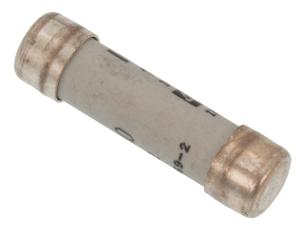
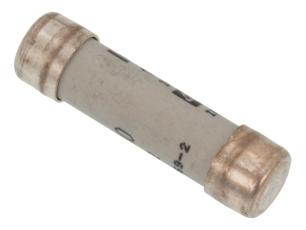
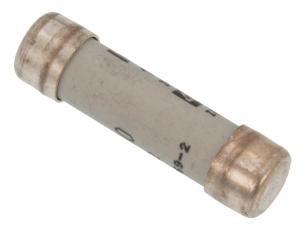
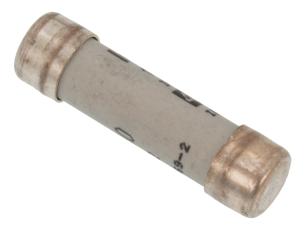
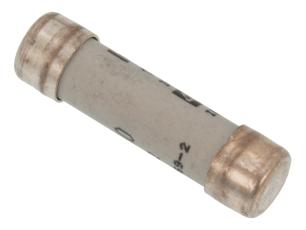
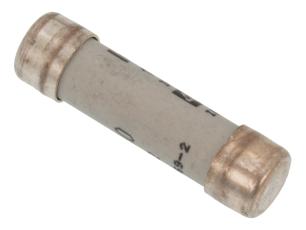
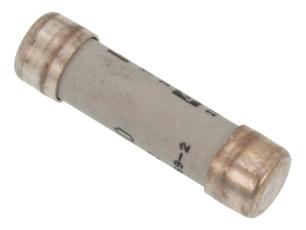
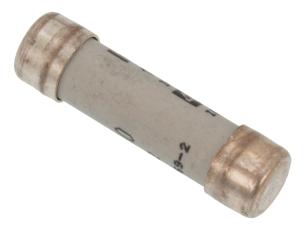
Operating class and designation of fuses
Fuses are designated with two letters. The first letter indicates the operating class, i.e. the breaking range:
g (general purpose): Full-range protection for both overload and short-circuit. Protects cables but is not used as overload protection for motors.
a (accompanied): Partial-range protection, primarily intended for short-circuit protection. According to VDE 0636, these must be able to break currents from 6.3 × rated current up to the specified breaking capacity. Common in environments with high short-circuit currents, such as motor starters and cable protection.
The second letter indicates the area of application:
L - Cables and wiring
G - General use
M - Motor circuits and starters
R - Semiconductors
B - Mining
Tr - Transformers
Common fuse types
gG/gL are full-range fuses and the most common type. They provide protection against both overload and short-circuit.
aM are partial-range fuses not intended to handle overload. They are used as short-circuit protection in, for example, motor circuits with high inrush currents. To provide complete protection, aM fuses are combined with separate overload protection. They trip at extreme currents that may exceed the breaking capacity of other protection devices.


product listing
Observe:
Enter your e-mail address, to recieve a message when the item is in stock