How to Solve Problems with Poor Satellite Reception
Issues with satellite reception can manifest in various ways – such as picture loss, degraded image quality during bad weather, or no image at all. Several different causes may be involved, but there are a number of simple steps you can take yourself to improve the situation.
Common Symptoms:
- No picture or signal on certain channels
- Freezing or pixelation in the image
- Disturbances during rain, snow, or wind
Common Causes and Solutions:
1. Incorrect Antenna Alignment
If the dish is not precisely aligned with the satellite, the signal can become weak or unstable. Even small deviations can significantly impact reception.
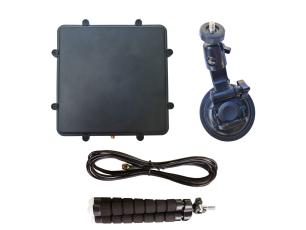
Solution: Use a satfinder to fine-tune the antenna alignment. A properly aligned dish improves both image quality and signal stability.
2. Defective or Aged LNB
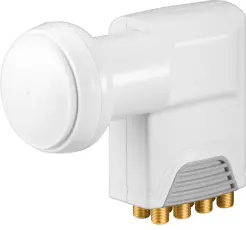
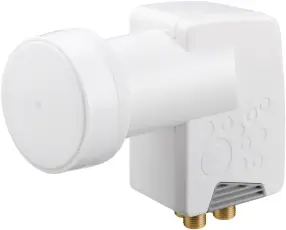
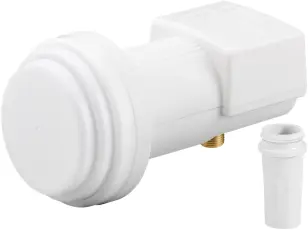
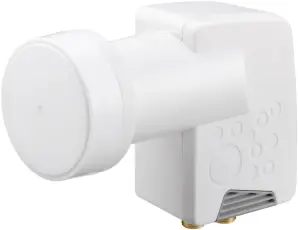
The LNB is the component that receives the signal from the satellite. Over time, it may degrade or become damaged due to weather exposure, especially if moisture has penetrated.
Solution: Replace the LNB with a new one. Ensure the F-connectors are dry and free from corrosion. Be careful to seal the connections properly using vulcanizing tape to achieve a fully waterproof installation.
3. Impact of Weather Conditions
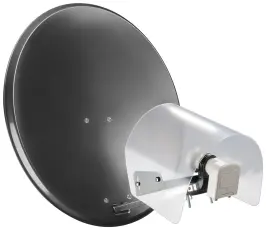
Snow, ice, wet leaves, or bird droppings can weaken the signal or completely cover the LNB, affecting reception.
Solution: Complement the setup with a LNB cover, a protective hood that shields the LNB from debris and precipitation. This reduces the risk of weather-related disturbances.
4. Damaged or Leaking Cables and Connectors
Cables can dry out and crack due to UV radiation from the sun, leading to water penetrateing the coaxial cable and F-connectors. This is a common issue and often starts as intermittent signal loss before leading to complete reception failure.
Solution: Check all cables and connectors. Replace damaged parts and make sure all connectors are properly tightened, clean, and well sealed with vulcanizing tape.


product listing
Observe:
Enter your e-mail address, to recieve a message when the item is in stock